Published on 25th March 2026
Why Traditional L&D Can’t Keep Up with Workforce Transformation
Workforce transformation has shifted from a long-term ambition to an immediate delivery expectation for enterprise learning leaders. As AI accelerates role change and skills demand, organizations must rethink what learning looks like in an AI-native world.
Obrizum commissioned independent research with 300+ enterprise L&D leaders across highly regulated industries in the UK and US, to understand how organizations are responding to workforce transformation pressures and expectations for measurable capability.
The findings reveal a clear tension: leaders are being asked to deliver faster, while many face major barriers to building capability at the pace transformation now demands.
Workforce Transformation: The Execution Reality
Nine in ten leaders across the UK and US place workforce transformation in their top three priorities for the 12-18 months. Over half rank it as their single biggest priority. The urgency is even higher in Financial Services, where 97% rank it as a top priority. Download the full L&D in the Workforce Transformation Age whitepaper for a deeper dive into the data.
Across all sectors, AI is accelerating change in roles, skills and operating models, shrinking the window leaders have to respond. Learning leaders are being asked to support transformation at speed. But in practice, execution often lags behind business needs.
More than half of leaders report it takes three to four months or longer to roll out a workforce capability programme at scale. By the time a learning program is designed, built and rolled out, the roles it was created for may already have evolved.
Barriers to Building Workforce Capability
99% of learning leaders face barriers to building workforce capability at the pace transformation now demands. The top barriers include:
• Data privacy and security constraints (35%)
• Time taken to build and deliver effective training (34%)
• Difficulty prioritising which roles or skills matter most (34%)
• Difficulty proving impact or ROI (33%)
• Fragmented knowledge that is hard to capture and reuse (33%)
• Learning that is not personalised enough (31%)
• Limited time and resource (31%)
• Budget constraints (25%)
Nearly all learning leaders report facing multiple barriers at once. These challenges sit within a narrow range, which suggests execution is being slowed by a stack of constraints that compound each other, not one single issue. Together, they create friction across the entire system and make it more challenging for L&D leaders to build workforce capability quickly.
The research also highlights a deeper tension at the heart of workforce transformation. The barriers to workforce transformation sit alongside rising expectations, pulling L&D in opposite directions. For example, 42% of leaders say AI and data readiness is a top priority, yet 35% cite data privacy and security as a key barrier. Similarly, 44% prioritise productivity and performance outcomes, yet 34% say it takes too long to build and deliver effective training.
In regulated sectors, the stakes are even higher. Leaders need to move quickly, but they also need to provide evidence for their decisions, prove standards and deliver outcomes under scrutiny
Why Traditional L&D Can’t Keep Up
Many organizations still build learning programs in full before rolling them out at scale. In today’s fast-changing environment, this creates significant limitations. Long build cycles delay delivery, fixed programmes are difficult to adapt and large-scale rollouts make it harder to isolate what is actually driving impact.
The data also highlights that confidence in off-the-shelf content libraries is weakening. 8 in 10 leaders agree they expect to invest more in organization-specific learning built from internal knowledge and content, as off-the-shelf content libraries often can’t meet their transformation priorities.
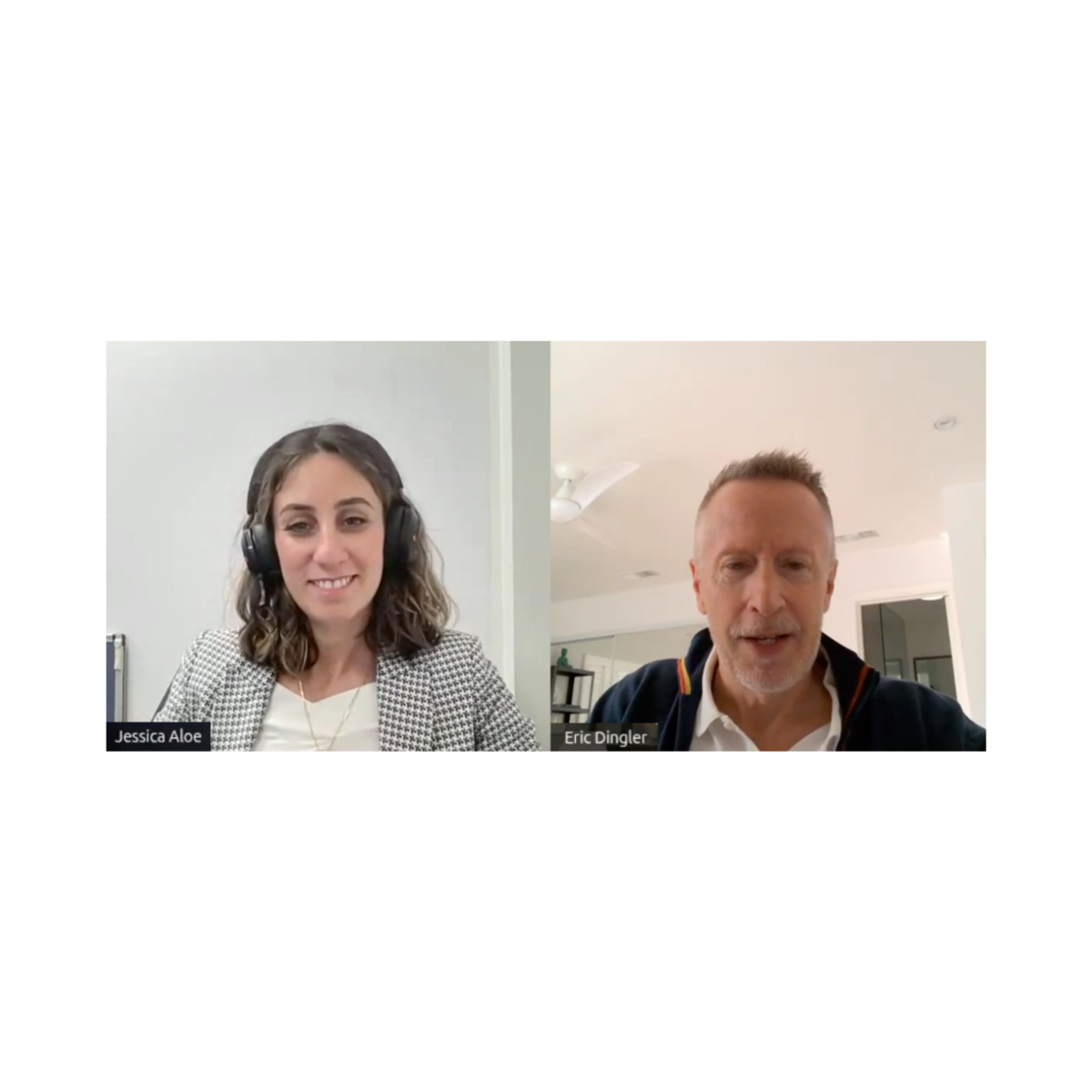
“Most learning programs are slow to deliver impact because they try to be fully fleshed out at the start. That takes time to develop and is difficult to measure what is impactful. Don’t wait for the perfect plan. Pick a first step you can run in weeks, measure what changes, and let the next step reveal itself.”
– Eric Dingler, Former Chief Learning Officer, Deloitte US.
The Adaptive Learning Advantage
Workforce transformation puts learning teams in a difficult position. Expectations rise, timelines compress and the cost of getting it wrong increases, especially in regulated environments where errors create operational risk.
At the same time, learners have less patience for static, one-size-fits-all programs that repeat what they already know. 77% agree that traditional linear course-based approaches are too slow for how roles and skills are changing. When change lands in waves, blanket linear training creates fatigue, slows delivery and makes it harder to focus attention on the learning that moves readiness.
Adaptive learning brings a real advantage here. When a learning journey adjusts to a person’s demonstrated knowledge and confidence, learners spend time where they need it and move faster through what they already understand. And leaders can maintain standards for learning and build capability across the workforce.
How Leading Organizations are Building Workforce Capability
The survey results are clear: traditional L&D approaches can’t keep pace with the speed, complexity and regulatory demands of modern workforce transformation. The direction of travel is clear. Learning needs to be adaptive enough to respond to real variance in starting knowledge, fast enough to keep pace with change and rigorous enough to produce defensible signals of readiness.
Obrizum’s AI-native platform helps L&D teams build workforce capability faster by replacing static courses with adaptive, evidence-driven learning. It turns unstructured content into connected knowledge maps, adapts in real time to learners’ understanding and confidence and focuses on skill gaps while letting learners move quickly through material they already know. At the same time, it maintains consistent standards and generates decision-grade capability signals, giving leaders the insight to track readiness, spot gaps and make informed workforce decisions.
The practical benefits? Less training fatigue through more relevant learning, faster readiness in critical roles, stronger evidence of impact and explainable variation in regulated environments, with clear rationale for any differences in learning paths.
In an environment of rapid change, this approach helps L&D teams build workforce capability, while supporting employees and organizations as they navigate the transformation age.
To explore how true adaptive learning can support your organization, get in touch with Obrizum to book a demo.